
Iconostasis
The iconostasis separates the sanctuary from the nave, yet does not hide it: through its icons it shows what takes place beyond it. These articles explain what an iconostasis is and cover its tiers, the Royal Doors, the Ukrainian tradition and stone iconostases.
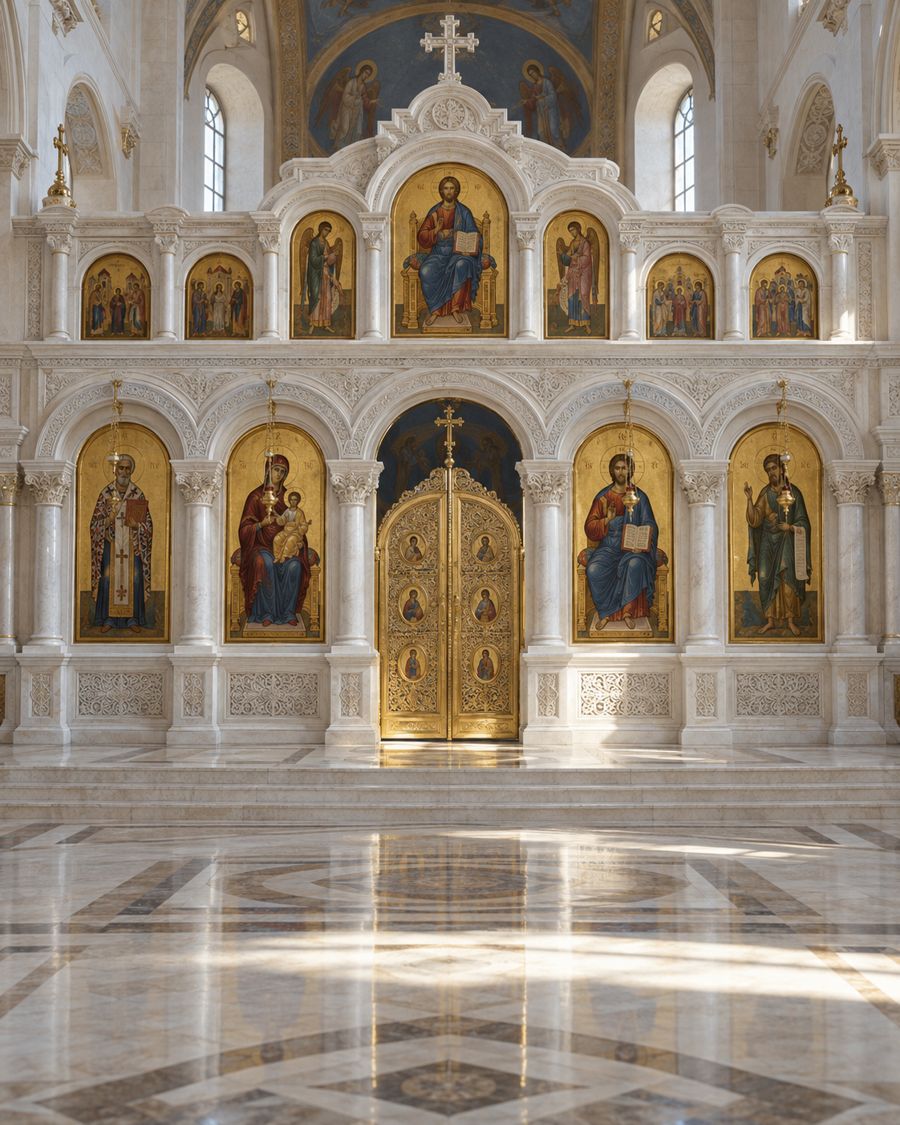
The Stone Iconostasis: When It Is Appropriate and What It Is Made Of
The stone and marble iconostasis: from the Byzantine templon to modern churches. Advantages, limitations, icons in stone, and what to decide before ordering.
Read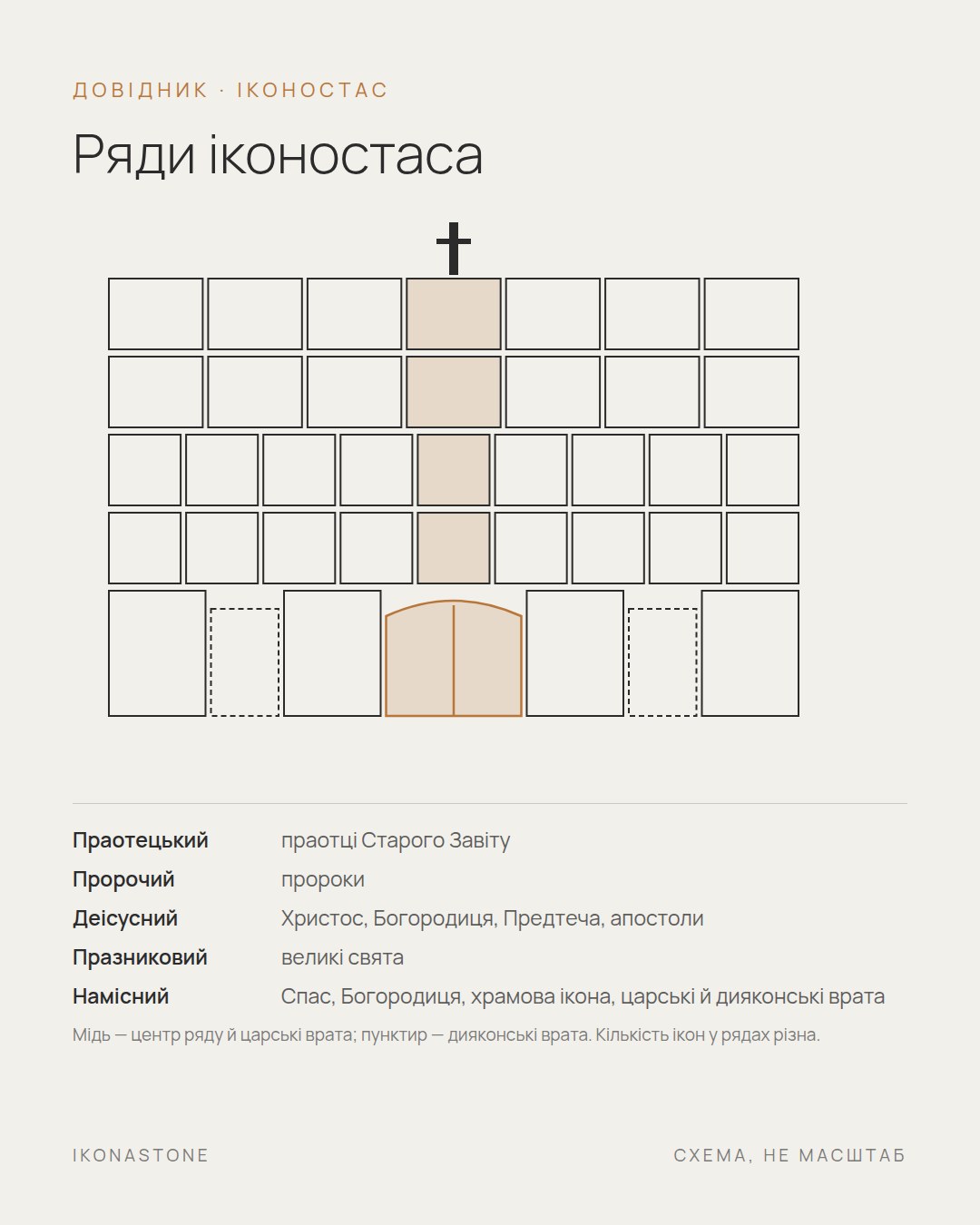
How Many Tiers an Iconostasis Has and What Each One Holds
The local, festal, Deesis, prophets' and forefathers' tiers of the iconostasis: what each contains, in what order, and how many tiers a church needs.
Read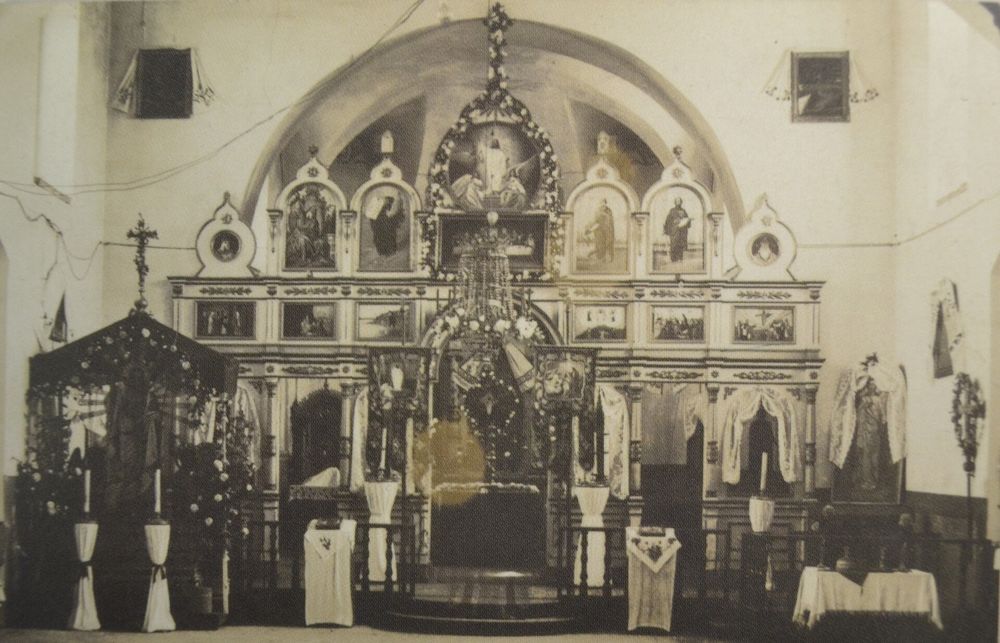
What is an iconostasis and why does a church have one
What an iconostasis is, what it separates and what it unites, how it grew out of a low sanctuary barrier, what it is made of and what to clarify before commissioning one.
Read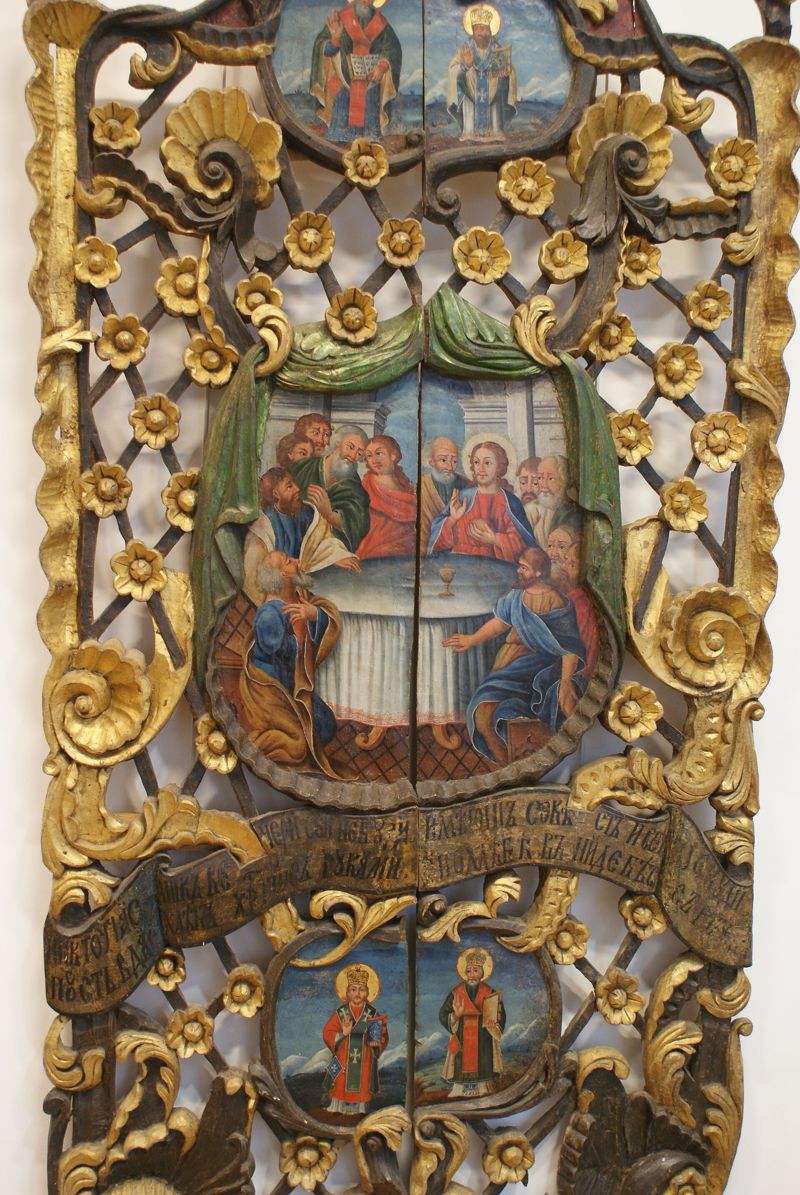
The royal doors: what they are, what is depicted on them, when they are opened
What the royal doors of an iconostasis are, why they are so called, what is depicted on the leaves, who passes through them and when they are opened.
Read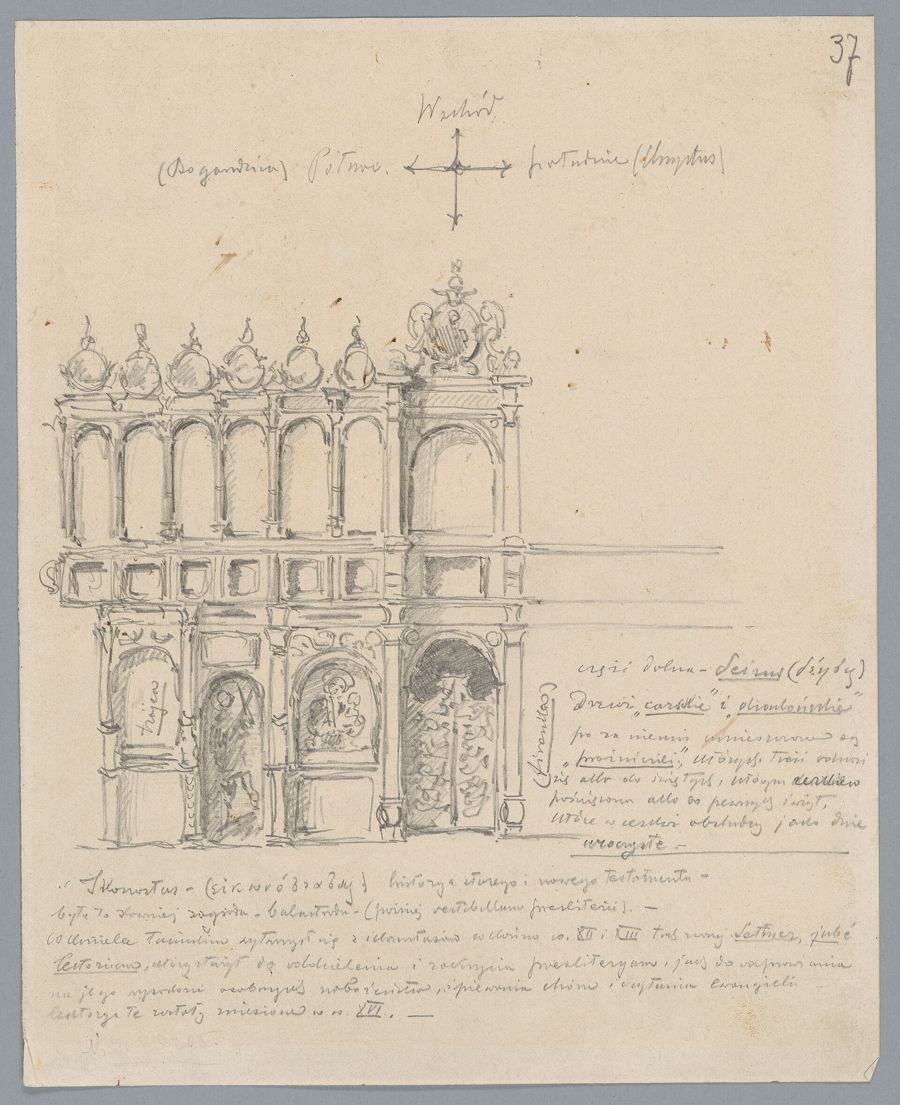
The Ukrainian iconostasis: what makes it distinctive
The Ukrainian Baroque iconostasis of the 17th–18th centuries: gilded carving, the grapevine, five tiers, Bohorodchany and the Church of St Paraskeva. What to take as a basis today.
Read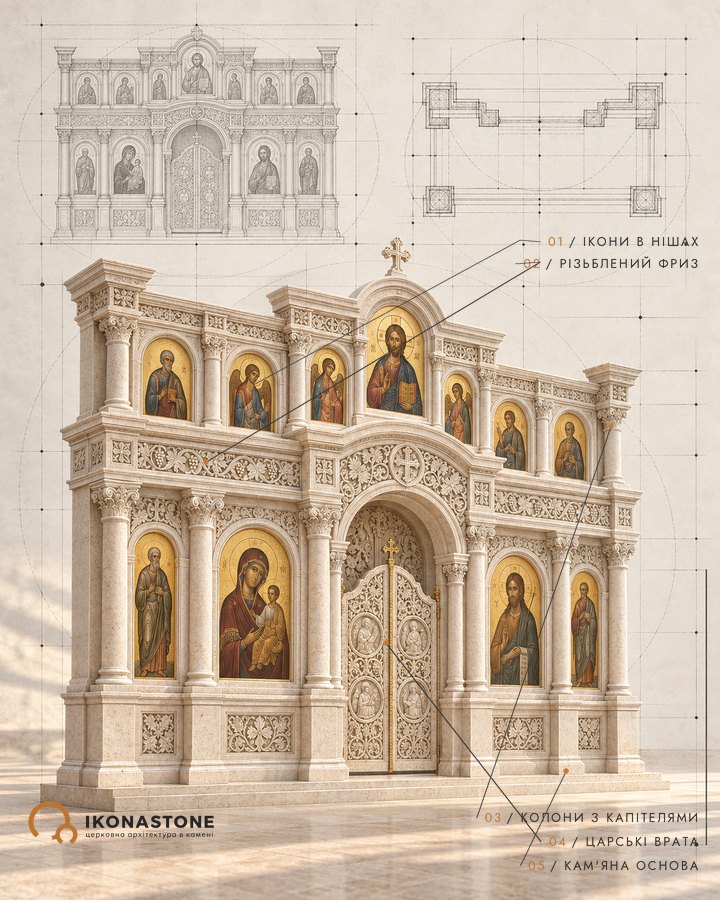
Would you like your church in the Guide?
Tell us about it: its history, legends, archive photos. We will research the sources, make a drawing and describe the church in the same detail.
Have a project for your church?
Send photos, drawings or a short description. We will discuss the site, the material and the next step.
Discuss a project